
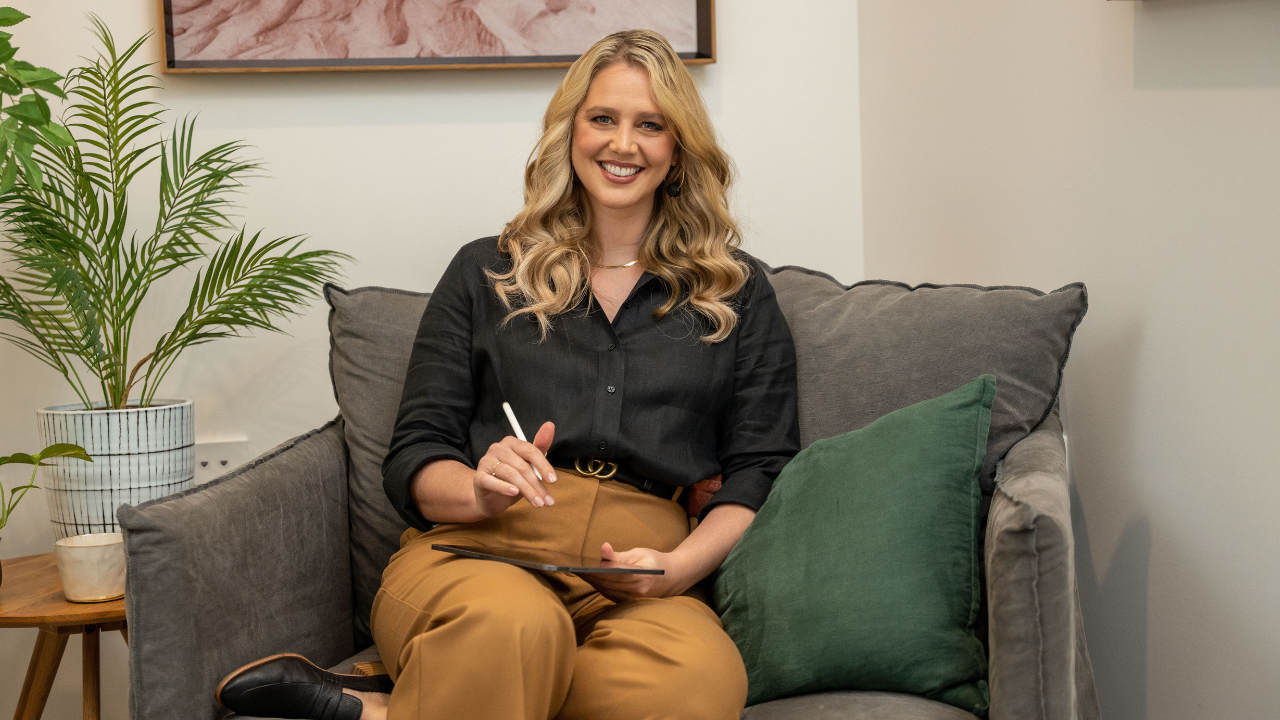
I forgot my "why" - and why that matters for anyone who’s struggling with addictive behaviours
Feb 06, 2026Quick takeaway: Addiction is easier to understand - and change - when we stop treating it as a character flaw and start seeing it as a skilled way someone learned to avoid discomfort. If you want a different life you don’t need shame; you need a plan. I’m committing to showing up every day to help people build that plan. Join me!
I made a mistake recently. I stopped showing up. I got hung up on the camera, the lighting, the audio - and I stopped saying the thing that matters most.
My "why" is this: to change how society thinks about addiction and how people get help for it. When we reframe addiction as a prioritisation of avoiding discomfort, the fear that comes with the word “addiction” eases a little. That word, addiction, doesn’t mean someone is weak or broken. It means they learned a coping tool that worked in the short-term. That’s useful information - not a label that defines you forever.
That’s why I’m doing two things: I will post a short video every day, and I’m running a challenge to help 1,000 people in 2026 take a practical step toward change. You don’t have to join the challenge publicly - just take the steps in private. But if you want public accountability, you can follow along and share.
Below I’ll expand on the idea from my first video: what it means practically, and seven simple, evidence-informed steps you can try right now.
Addiction = prioritising avoidance of discomfort (what that actually means)
When we say addiction is a “mood-altering solution”, it’s easy to think first of substances. But think broader: any repeated behaviour that reliably soothes stress or distress can become an addictive style. The behaviour gets practised, it becomes easier, an over time, it’s the go-to when pressure arrives.
So the question stops being “what’s wrong with you?” and becomes: “what is the behaviour solving for you in the short term?” That shift is enormous because it moves us from shame to strategy.
7 practical steps to start changing the pattern (use these today)
I’ll be teaching and demoing these and more in the daily videos - here’s the short version you can use immediately.
-
Name the discomfort. For three days, note the moment before the behaviour: what were you feeling? (e.g., tired, anxious, bored). You only need a word. Naming breaks automaticity.
-
Delay, Distract, Decide (3 D’s). When the urge comes, follow these three steps:
-
Delay 10 minutes.
-
Distract with a short yet consuming action (walk, brew a tea, brush your teeth).
-
Decide later with a simple rule (e.g., “I brush my teeth at 8pm.”)
-
-
Replace with a short ritual. Pick one replacement that actually meets the same function. If alcohol soothes evening tension, replace it with a 10-minute ritual that’s reliably soothing - a hot shower, a walk, a 5-minute breathing practice, a bath.
-
Binary tracking = clarity, fast. Each night ask one question: “Did I follow the plan today? Y/N.” Keep it private. Track for 14 days and look at the percentage. This gives honest feedback without overthinking.
-
Micro-wins > perfect weeks. Celebrate tiny wins. Missed one? Note the trigger and reapply step 2. Small repeated wins widen your ability to tolerate discomfort.
-
Use a short pause script. Try the Traffic-Light pause: Stop → Breathe → Name the feeling → Pick one action. It’s simple and fast to practise.
-
Get one confidential check-in. If you want faster traction, schedule a short clinician check-in or book a single coaching call. A fresh outside view helps put the plan together and keeps safety front of mind.
How my challenge works - join in however you want
I’ll post a short video every day. Some will be raw from the day, some planned and polished. Each will teach one practical step, a short tool to try, or a quick reflection.
Here’s how you can join:
-
Follow on LinkedIn, Facebook, Instagram or TikTok to see the daily videos.
-
Try one step from above for 7 days. Don’t do everything at once. Pick one.
-
Share the idea if it helped - telling one person is powerful.
-
Use our free resources (quiz, worksheets) on The TARA Clinic site if you want templates and worksheets.
-
Book a confidential check-in if you need tailored clinical advice.
This is not about likes or optics. It’s about showing up for the people who won’t otherwise reach out for help. That’s my "why".
What the daily videos will cover (short preview)
-
Quick tools to interrupt habit loops.
-
One-minute scripts to use in social situations.
-
How to design environments that make the old behaviour harder.
-
Micro-win tracking templates.
-
Real-life examples of small changes that stick.
For the person who worries they’ve left it too late
You’re not alone. Most people we work with are employed, high-performing and terrified of the label. They often have tried 3-5 times before with counselling, willpower, or an inpatient stay before they find The TARA Clinic. The reality is that many people who are otherwise successful in work and life use coping behaviours... and they can change them without losing their status or life. Change is built from repetition and small wins, not perfect starts.
If you don’t want to post publicly, do it privately. If you want accountability, follow and interact with a single post. If you need clinical support, a short assessment gets you a clear pathway.
FAQs
Q: What if I don’t want to be on social media?
A: You can do every step in private. The videos are one way to get simple instruction. If you prefer not to use socials, use the clinic’s resources and the Recovery Quiz to get the same tools.
Q: Will a video a day actually help me change?
A: Videos are prompts. The change happens in the small actions you take between videos. Watch one, pick one micro-step, and practise it.
Q: Isn’t this a big promise, 1,000 people?
A: It’s a goal, not a guarantee. It’s a commitment to show up and provide accessible, evidence-informed tools - and to help as many motivated people as we reasonably can.
Want to keep seeing this every day?
Follow me on LinkedIn, Facebook, Instagram and TikTok for the daily videos, short tools and quick rehearsals.
If you’re ready to go deeper, use the Recovery Quiz or the clinic’s resources to find your next step, or book a confidential Personal Recovery Assessment to explore what a clinician-led plan could look like for you.
Thanks for being here. I’ll see you in the next video.
Tara
Clinical Director, The TARA Clinic
“Find Recovery, Your Way”
